What FestForums 2026's Safety & Security Panel Is Reminding Us This World Health Day
By: Holly Owen, FestForums | April 5th, 2026
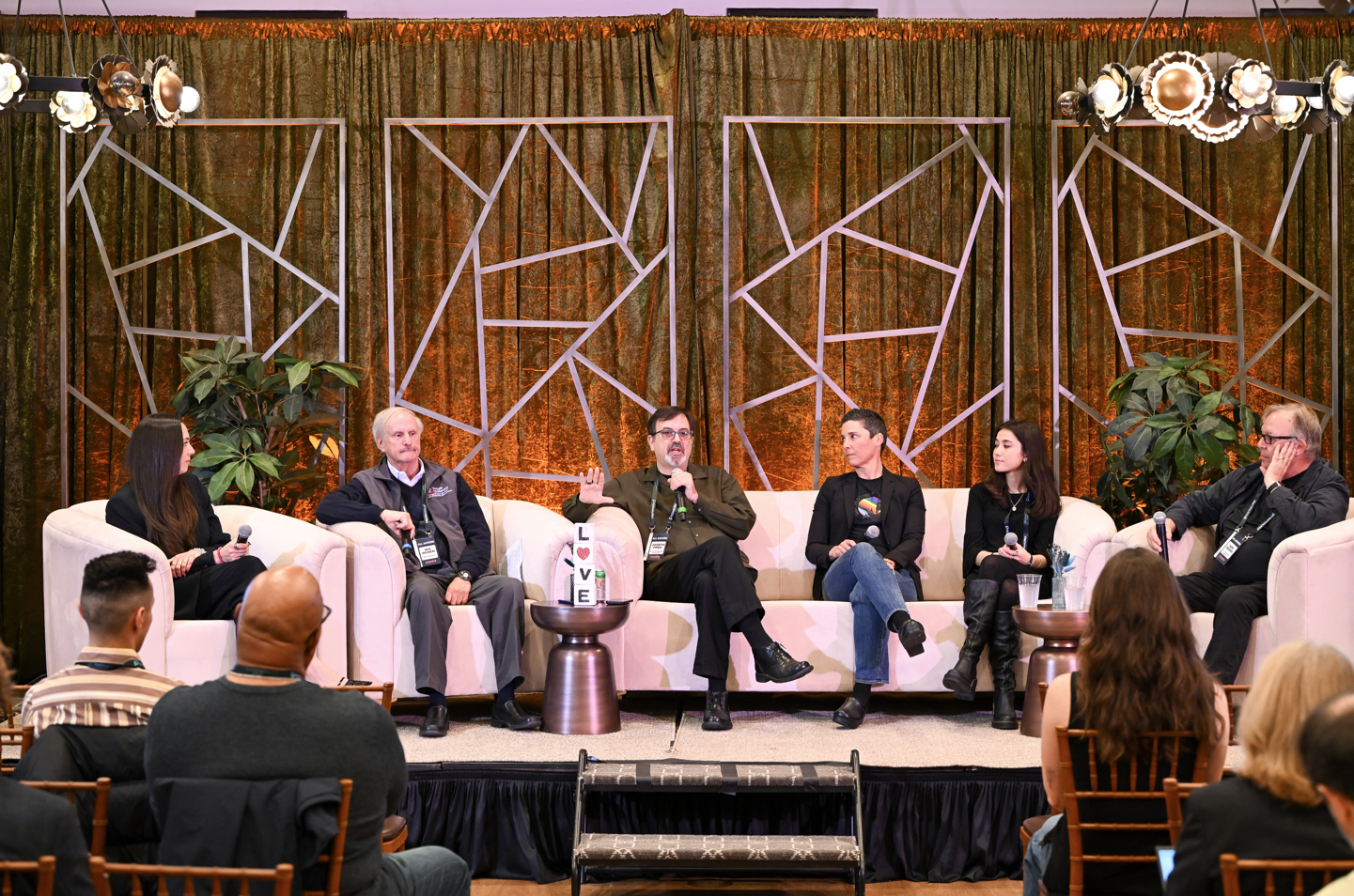
Photo by Claire Hart, Safety & Security Panel at FestForums 2026 featuring (left to right): Catherine Curtin, Ira Rosen, Joseph Pred, Kristin Flickinger, Maddier Ward, Ken Deans.
Health and safety at live events isn't a back-of-napkin conversation anymore and honestly, it never should have been.
World Health Day is a good reminder that health happens in the spaces we build, the communities we gather, and yes, the festivals we produce. At FestForums® 2026, our Safety & Security panel made one thing crystal clear: keeping people safe at live events is everyone's job.
Moderated by Ken Deans of KD Production Services, the panel brought together Catherine Curtin (Crowd Cushion), Ira Rosen (Temple University), Joseph Pred (Mutual Aid Response Services), Kristin Flickinger (Flickinger Consulting), and Maddie Ward (End Overdose) — a group whose collective expertise spans crowd dynamics, overdose response, insurance risk, and everything in between. Here's what stood out.
Community Is Your Most Underrated Health Asset
A lot of event safety conversations focus on financial investment. Staff, security, medical teams. Those things do matter, but one of the most powerful health tools at any event costs far less: a community that looks out for itself.
When attendees are trained to recognize when someone nearby is in trouble, whether that's an overdose, heat exhaustion, or just someone who looks overwhelmed, the whole event gets healthier. The medical team's workload drops. Situations get handled before they escalate. And attendees walk away feeling something they remember: that they were part of a crowd that actually cared.
That sense of community isn't just good for health. It's what brings people back. It's what they tell their friends about. It sells tickets.
Some festivals have a head start here. If you're at a punk festival or an EDM festival, chances are the crowd already shares an identity before they walk through the gates. But multi-genre festivals are a different challenge. When you have rap fans, EDM fans, and heavy metal fans all in the same space, none of those communities naturally operate the same way. As Catherine Curtin pointed out, that's exactly where intentional community building matters most. You can't assume it'll happen on its own.
Ira Rosen put it well. Most people know "see something, say something." Fewer people remember the third step: do something. Training people to act, not just notice, is where real health outcomes change at events. Joseph Pred called community a "force multiplier for safety," pointing to events like Burning Man where strong community culture means attendees often step in before a situation ever reaches security or medical. Less escalation, better outcomes, more meaningful experiences.
The Financial Side of Keeping People Safe
Kristin Flickinger connected community health directly to the bottom line. Attendees who feel safe come back and bring friends. But there's a risk management angle too. Pride festivals are currently facing insurance premiums that have tripled in some cases. A community that takes care of itself reduces security costs and protects the permits that keep events alive.
She shared the example of AIDS LifeCycle, a seven-day bike ride with 3,000 participants and 80 permits required along the route. Lose one permit, lose the event, and $20 million in HIV services with it. At that scale, health and safety can't sit with production alone. Everyone on site has to be invested.
Your Volunteers Are a Health Resource
Ken Deans spoke to the power of well-trained volunteers, especially at events like Pride where up to 80% of staff are volunteers. Invest in them. Daily safety briefings, clear emergency procedures, and a simple answer to the most important question: who do I call if something feels wrong? Put it on the back of their credential. Keep it simple.
Well-trained volunteers know your event better than any outside agency. They know what looks normal and what doesn't. They are, as Ira put it, a force multiplier you can't afford to overlook.
Build Health Into Your Planning From Day One
Catherine Curtin and Maddie Ward both made the same point: organizations focused on crowd safety and attendee health education are usually brought in too late, a month or two before the event rather than from the start. Early involvement means you can build a clear, step-by-step health response framework before anyone arrives on site. Everyone knows the plan. No guessing when things get real.
It's also worth remembering that health at events means health for everyone. Emergency communications need to work for non-English speakers, for people with visual impairments, for people with hearing loss. On World Health Day, it's worth remembering that the health of every single person in your crowd is your responsibility. Plan for all of them.
The conversations happening at FestForums® aren't theoretical. They're the real, messy, high-stakes conversations that festival producers need to be having and the ones that make the difference between an event people talk about for the right reasons and one they don't.
Stay tuned for more recaps from FestForums® 2026. And if you want to be part of these conversations on stage, reach out to us at admin@festforums.com.