
Ticketing Is Magic: Insights from FestForums 2026's Ticketing for Success Panel
By: Holly Owen, FestForums | March 31st, 2026
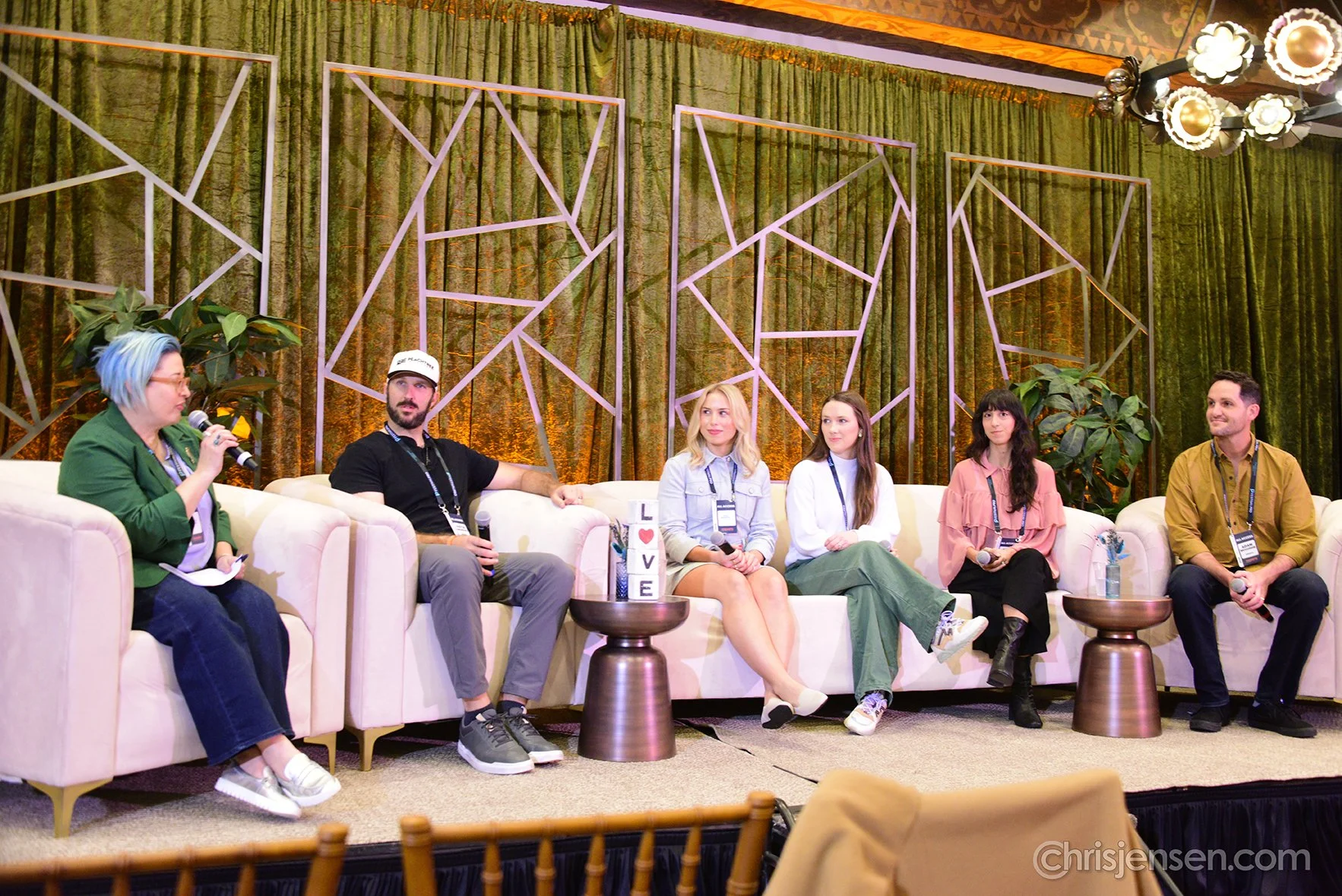
Photo by Chris Jensen of the Ticketing for Success Panel at FestForums 2026
When the panelists behind FestForums 2026's Ticketing for Success panel sat down to plan, their first order of business was renaming it. The new title? Ticketing Is Magic. Because as moderator Rebecca Throne of INITX put it, people only notice ticketing when something goes wrong. When it works, it feels effortless. When it doesn't, revenue disappears, trust is gone, and suddenly everyone has an opinion on how to fix it.
Joined by Adam McCurdie (Humanitix), Alex Pucciarelli (Ticketing Specialist), Allie Wilson (FEVO), Julia James Bakhaya (Elevate), and Justin Andrews (Peachtree Entertainment), the panel got into the strategies and mindset shifts that separate festivals that sell smarter from those that just sell more.
Own Your Platform, Own Your Strategy
One of the first things the panel brought up was how important it is for festivals to have direct control over their ticketing platform. Adam McCurdie talked about a pattern he sees all the time: festivals that have to email their ticketing company every time they want to make a change end up with a strategy that slowly gets watered down. Eventually they are just working within whatever their account manager allows. The solution is picking a platform you can actually use yourself, one where you can make changes on the fly as ticket sales come in. Having that kind of control, Adam said, makes a huge difference.
Know Your Real Demand Before You Go on Sale
Adam also walked through pre-sale ballot strategies and tokenized card collection, something that has already taken off in Australia. Instead of just asking fans to register their interest by email, festivals can collect card details upfront. When a buyer is selected, their ticket is charged automatically. No "congrats, now go buy" step. Just a done deal. This gives festivals a clear picture of real demand before tickets even go on sale. The same idea works in the secondary market too: waitlists backed by saved card details give event hosts a live read on demand at every stage of the sales cycle.
Meet the Fan Where They Are
Justin Andrews agreed that pre-sale sign-ups are a solid way to gauge interest, especially because they show demand for that specific event rather than just general fan activity. Allie Wilson took it a step further: the job now is not to get fans into your funnel, it is to get your product into theirs. Student tickets, military discounts, targeted pre-sales, the point is to put the buy button in front of the right person and make it as easy as possible to say yes. Julia James Bakhaha pointed out that with how targeted social media algorithms are today, two people can have completely different exposure to the same event. That is just the reality, and festivals need to plan around it.
Pricing: Sell Smarter, Not Just More
When it came to pricing, the panel was on the same page: the price of your ticket says something about your brand and who you want at your event. Alex Pucciarelli suggested that instead of raising GA prices and risking losing fans, festivals should look at raising premium tier prices while adding more perks for those buyers. Rebecca Throne brought it back to a bigger question: is the goal to sell more tickets, or to sell the right tickets? Julia added that the answer really depends on where a festival is in its life. A first-year event should price to fill the crowd, not chase profit, because slashing prices later does way more damage to fan trust than just starting at a reasonable number.
Make the Buying Experience Easy
Some of the most useful takeaways from the panel were about the checkout experience itself. Adam shared a telling stat: festivals that put add-ons like glamping, merch, and parking passes on a separate page after the ticket purchase see roughly 20 times more add-on sales than those who put everything on one page. Rebecca explained why: buying a ticket is stressful. People are locked in on one goal, getting their ticket. Once that is done, they relax and are much more open to extras. Alex added that being upfront about what is and is not included in a ticket is just as important. If camping is included but a car park pass is not, say so clearly. Confusion on site is way harder to deal with than just being transparent upfront.
On how many add-ons is too many, Allie and Justin both said there is no perfect number, but if a buyer has to scroll forever just to find their ticket, you have already lost them. Justin's tip: go through your own checkout as if you were a fan buying for the first time. You will spot the problems fast.
Adam finished with a great point: do not let the confirmation page be the end of the conversation. With an auto-redirect after checkout, festivals can send buyers to a page on their own website based on what ticket they bought. VIP buyers see one set of options, GA buyers see another. It keeps the momentum going, brings in more revenue, and makes the end of the purchase feel like the start of something exciting.
Ticketing is not something that just happens. It is a system built on smart pricing, real demand signals, a smooth buying experience, and a clear understanding of your fans. The festivals that get it right are the ones who have thought through every step, from the moment someone thinks about buying a ticket to the moment they walk through the gate.
When ticketing works, it feels like magic; effortless, seamless, almost invisible. But behind that experience is a deliberate method, carefully designed to make it all work.