FestTalk: Brandon Lingle on Accessibility
By: Phoebe Choi, FestForums | July 26, 2026
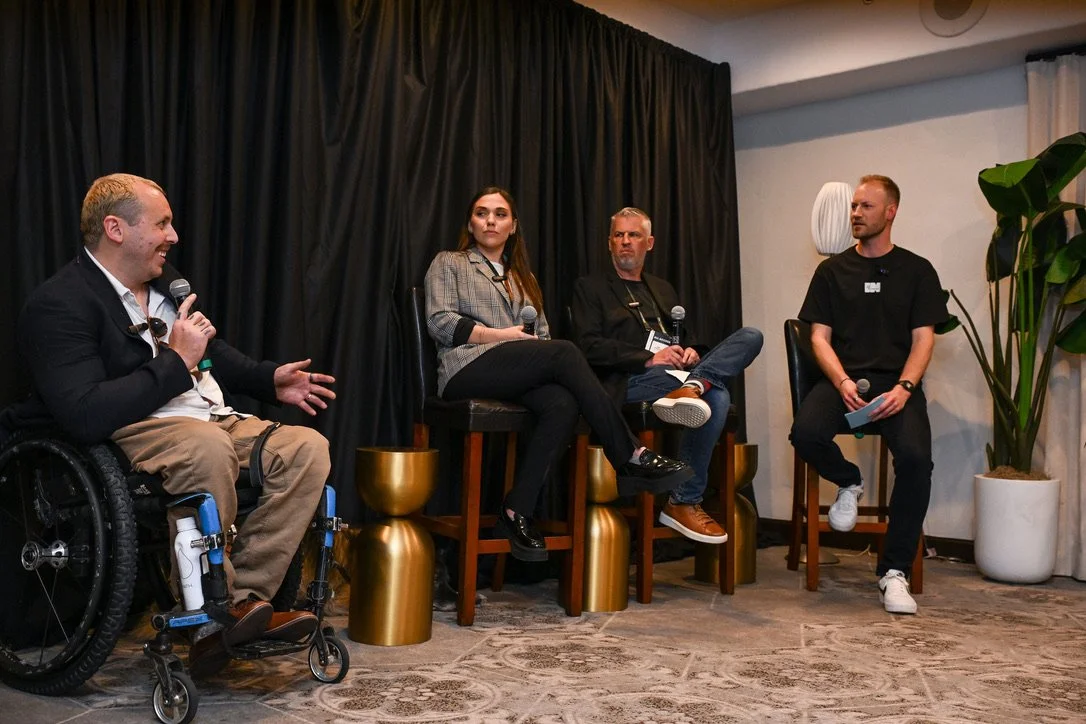
Accessibility at Festivals Panel at FestForums® 2026 in Santa Barbara, CA picturing (left to right) Austin Whitney, Haley Binder, Tim Fischer, and Brandon Lingle.
Festivals are one of the most powerful communal experiences humans get to share. The music, the energy, the feeling of being part of something bigger than yourself. At their best, festivals are places where everyone belongs, where the crowd becomes a community, and where the shared joy of live music reminds us of everything we have in common. Everyone deserves that front row moment. And Brandon Lingle, Co-Founder of We Are Invincible, a storytelling and events platform dedicated to amplifying the brilliance, creativity, and leadership of people with visible and invisible disabilities, is making sure the industry builds toward that vision.
ADA Awareness Day is July 26th, and at FestForums®, accessibility is not just a talking point for one day a year. It is a conversation we are committed to carrying into every panel, every session, and every stage we build. Earlier this year, Brandon helped shape a dedicated session on accessibility in live events at FestForums® alongside Tim Fischer, CEO of ADA Lift Rentals of America, Austin Whitney, Founder of Accessibility Live, and Haley Binder, Global Accounts Director at Amber Health. Together, they brought one of the most important and honest conversations our community has had in years.
We sat back down with Brandon to go deeper. Here is what he had to say.
Tell us about We Are Invincible: the storytelling platform, the Invincible Stage, original programming, partnerships, and the advocacy work at the core of it all.
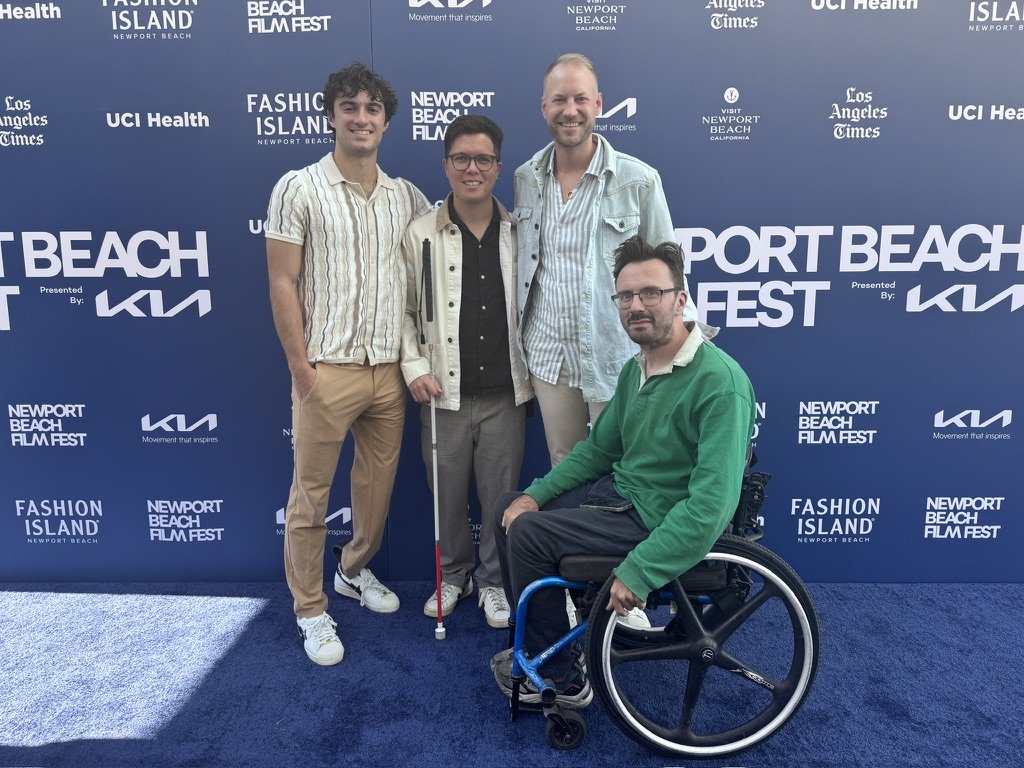
We Are Invincible exists because I realized one of the world’s largest communities, one that anyone of us can join in the matter of a moment, is also one of its least visible. We produce original stories, podcasts, events, and partnerships that bring disability into mainstream culture.
Not because disability is niche, but because it never should have been treated that way in the first place. Our mission isn’t simply to advocate for accessibility. It’s to change how people think about disability by making it impossible to ignore.
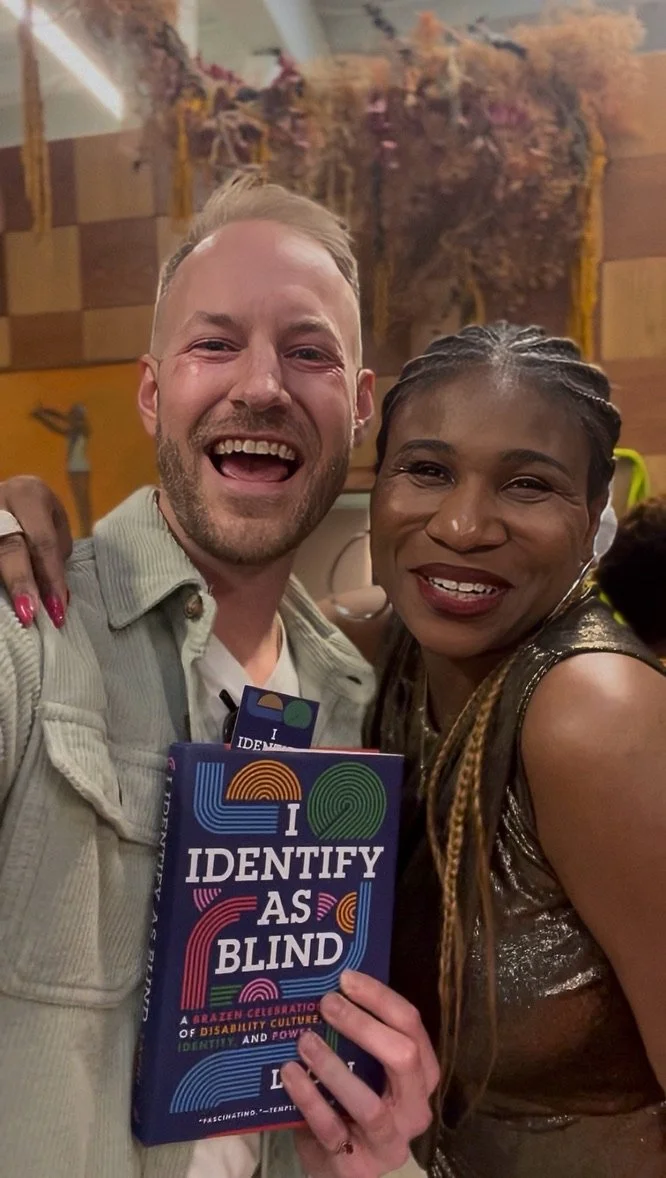
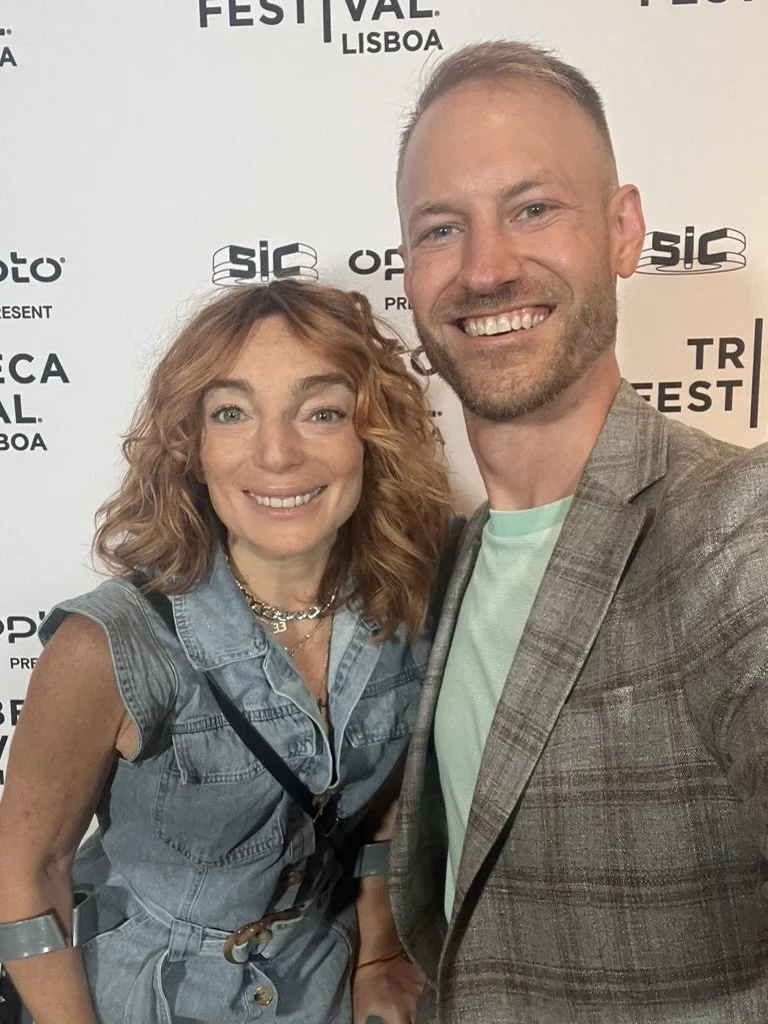
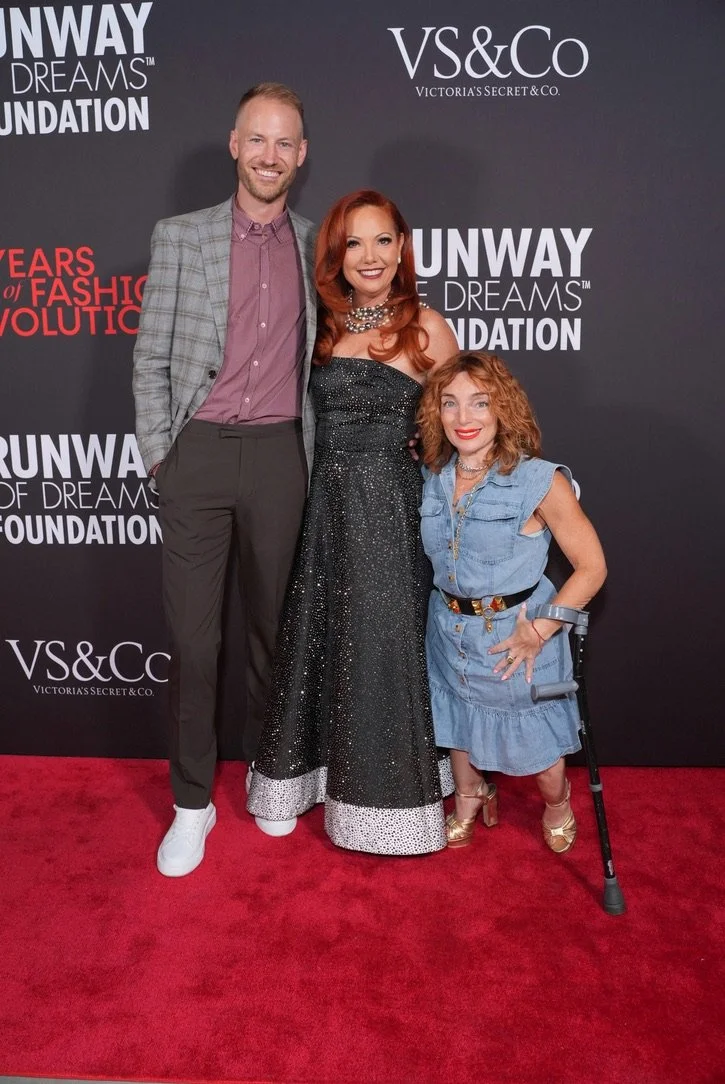
How have your own lived experiences and guiding philosophies shaped the creation of We Are Invincible?
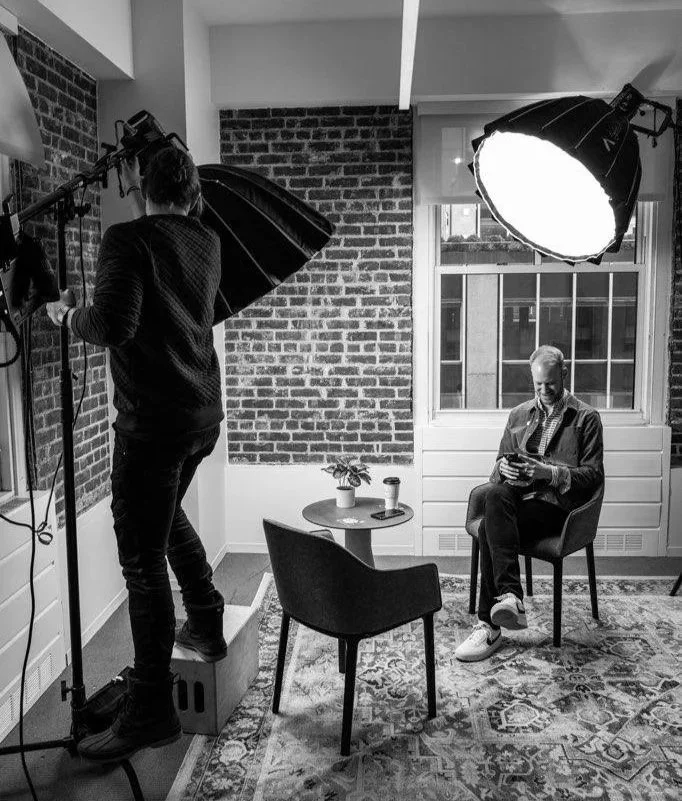
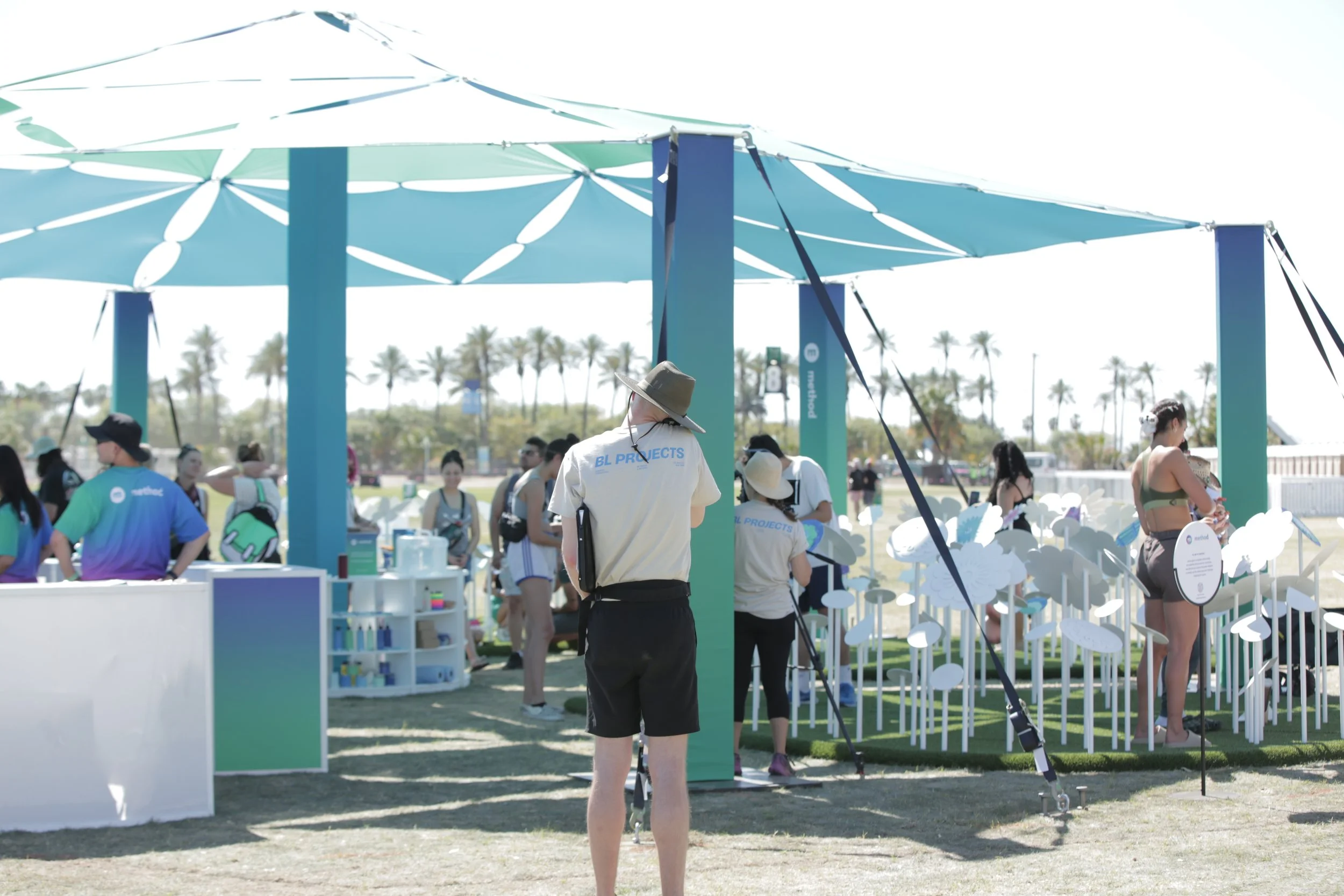
I’ve spent my career telling stories that connect people to brands, ideas, and experiences. Through BL Projects, I learned that stories have the power to influence culture.
The more I traveled and worked with different brands and communities, the more I realized one of the world’s largest communities was consistently missing from those stories. It wasn’t because they weren’t accomplishing incredible things, it was because society wasn’t looking. That realization changed me. We Are Invincible grew from the belief that disability doesn’t limit human potential, our perceptions do, and became my way of helping people see what was always there.
What are the most pressing challenges disabled people face at festivals today, and what does meaningful accessibility actually look like in practice?
I actually think the biggest challenge isn’t accessibility—it’s perspective. If organizers see accessibility as another box to check, they’ll always be reacting. If they see disability as a natural part of their audience, they’ll start designing experiences differently from the beginning. Accessibility should never feel like a special accommodation. It should simply feel like good event design.
Invisible disabilities are often overlooked at live events. What solutions exist for attendees whose accessibility needs may not be immediately visible?
The first solution is trust. Not every disability is visible, and no one should feel like they have to prove they deserve support. Education and awareness, paired with honest communication, go a long way in creating that trust. That’s exactly why We Are Invincible exists. The more authentic stories people see from individuals living with both visible and invisible disabilities, the more those experiences become familiar instead of misunderstood. I believe fear is often rooted in what we don’t understand. Storytelling helps replace that fear with understanding, empathy, and ultimately, inclusion.
Creative industries are notoriously rigorous. Working in the festival industry is significantly linked to burnout and health consequences. How can disabled individuals work to get ahead in these industries, while also taking the necessary time to rest?
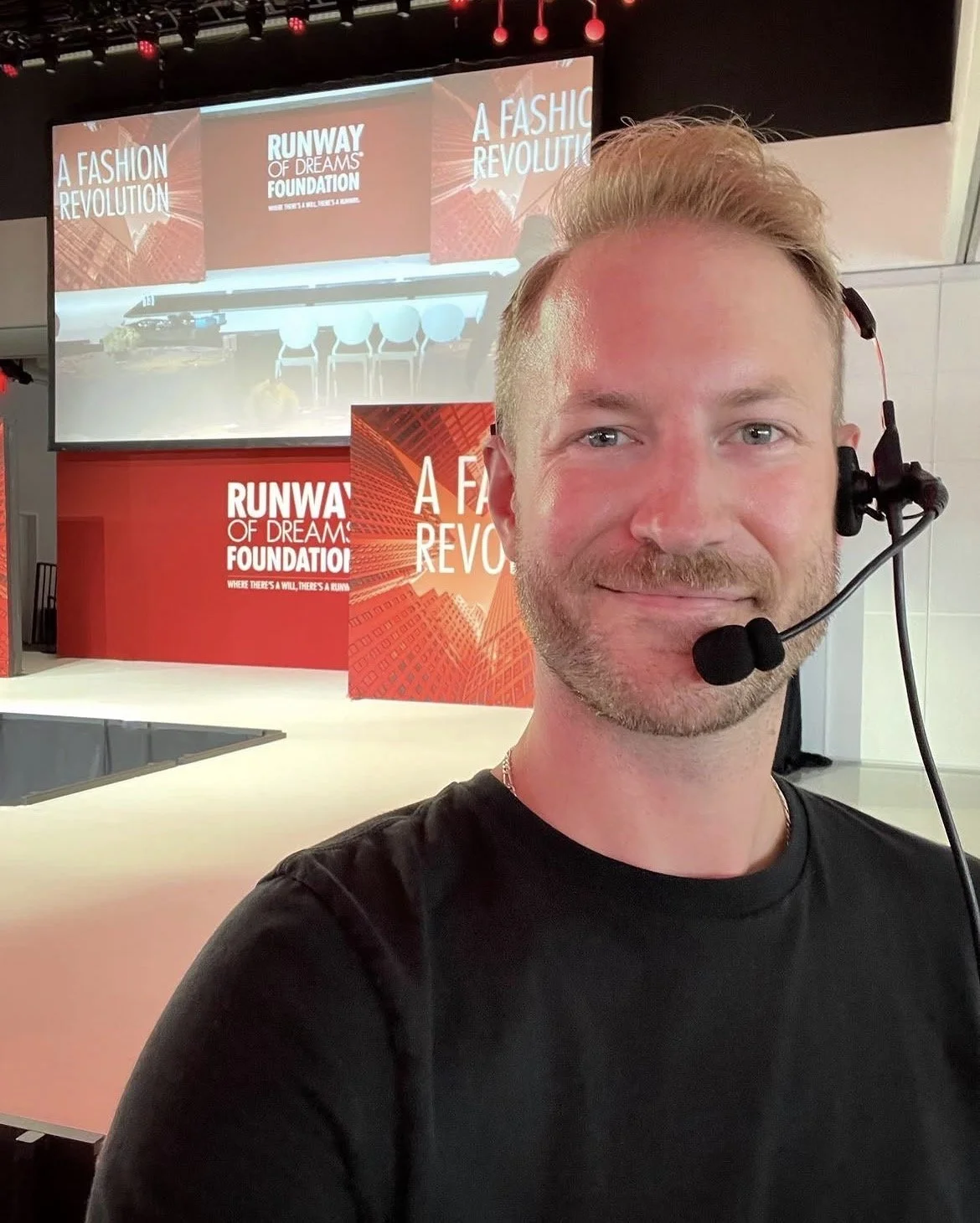
Having experienced burnout myself, use me as the example that success shouldn’t require sacrificing your health. Disabled professionals can benefit from being proactive.
Understanding their own needs, including that for rest, communicating them early, and planning ahead whenever possible go far. Likewise, employers and event organizers should approach accessibility with the same proactivity and forethought. Individuals exist, who have created a living for themselves and others based solely on event and production accessibility. When everyone plans with inclusion in mind from the beginning, people spend less energy overcoming barriers and more energy contributing their talents. The end result is something that’s better for individuals, teams, and the industry as a whole because everyone’s needs were considered.
Where does the industry go from here? What are the most important next steps toward making festivals truly accessible for everyone?
I’d love to see accessibility become something people stop talking about. Not because it isn’t important, but because it has become standard practice everywhere. When accessibility is built into planning from day one, everyone benefits. Good accessibility doesn’t only serve disabled attendees. It makes festivals easier, safer, and more enjoyable for everyone.
I recognize a shift happening in the industry. Not only is holistic accessibility our top priority, but AccessFest by AccessNow, in Toronto, is defining accessibility in new ways, and AEG, a world-wide promoter I work with often, among others, is making meaningful strides towards accessibility in their festivals, as well, by partnering with the likes of Accessibility Live. That shift now has to earn the trust of the community.
Relatedly, where does disability advocacy go from here? What are the next steps to create greater accessibility for those who need it?
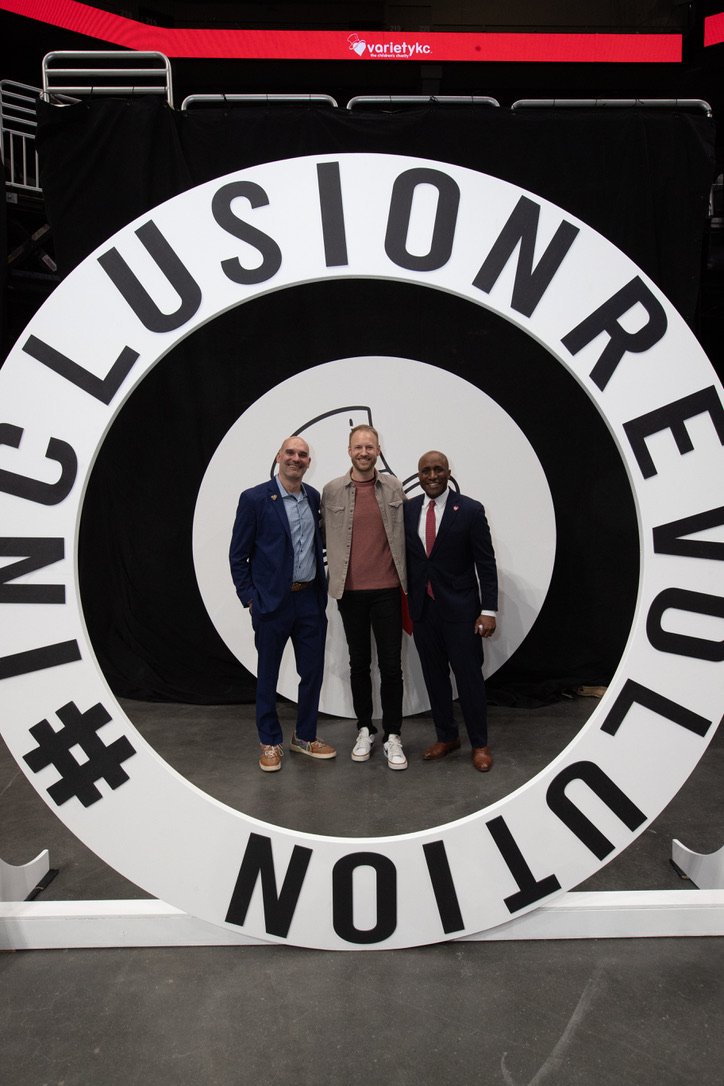
I think the future is cultural and societal. Laws, funding, and innovation matters, but culture is what changes everything else. When people regularly see disability represented in everyday life, as they are, across film, television, advertising, live events, and leadership, perspectives begin to shift. That’s when inclusion stops feeling like an obligation and starts feeling normal. That’s the world We Are Invincible is working toward.
At FestForums®, we’re bringing back Accessibility at Festivals back to the stage in Santa Barbara for our 10th anniversary February 3-5, 2027.
Want to be part of the conversation shaping the future of live events? Reach out to us at admin@festforums.com or visit www.festforums.com.