
The R(evolution) of Pride
By Tommy Lapidese, FestForums | June 26, 2026
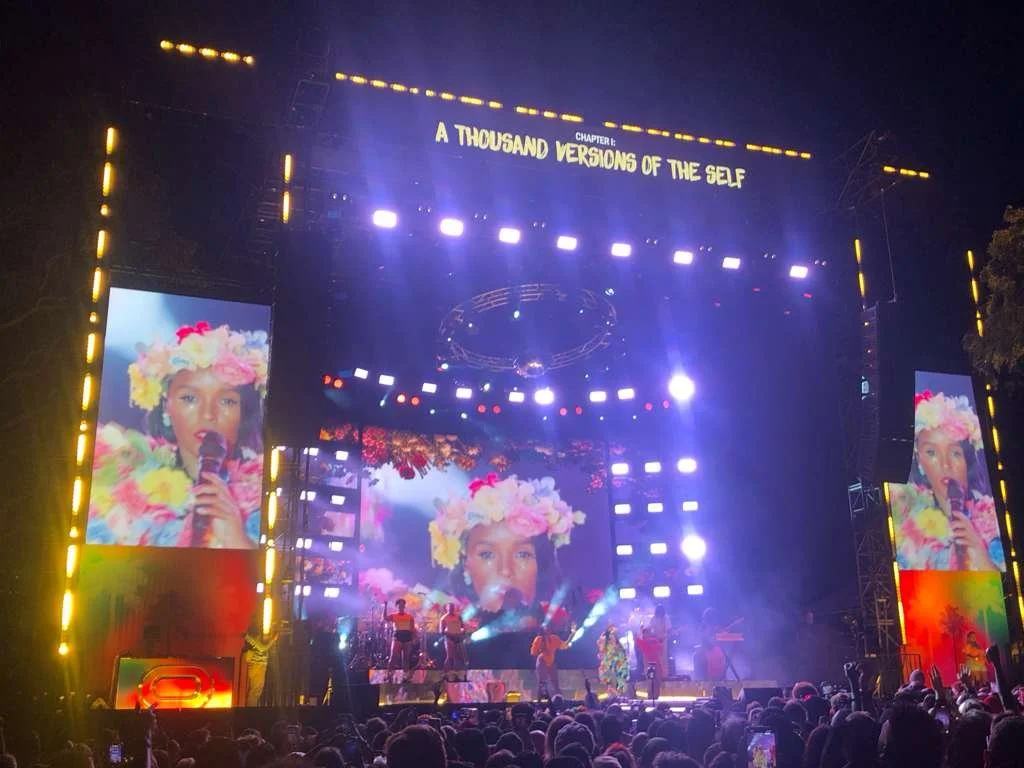
Photo by Tommy Lapidese
Every June, we commemorate the Stonewall riots that took place on June 28th, 1969, outside of a gay bar in New York City called the Stonewall Inn. While it wasn’t the first American uprising against police brutality towards LGBTQ+ people, Stonewall was the straw that broke the camel’s back, setting off a chain of rebellions against homophobic discrimination and ushering in the gay civil rights movement.
Pride was a riot
As a wave of countercultural uprisings occurred throughout the 1960’s, the spirit of revolution became infectious. In 1969, homosexual acts were illegal in almost every state; when police raided the Stonewall Inn to violently brutalize the bar’s patrons, they fought back.
There are conflicting accounts of exactly how it began: most say the impetus was when a Black trans woman named Marsha P. Johnson threw a brick at the cops, but others claim the riots started after a lesbian named Stormé DeLarverie pushed over a cop car after being attacked by the police. Regardless, one thing was for certain: life for LGBTQ Americans had reached a tipping point.
The Progression of Pride
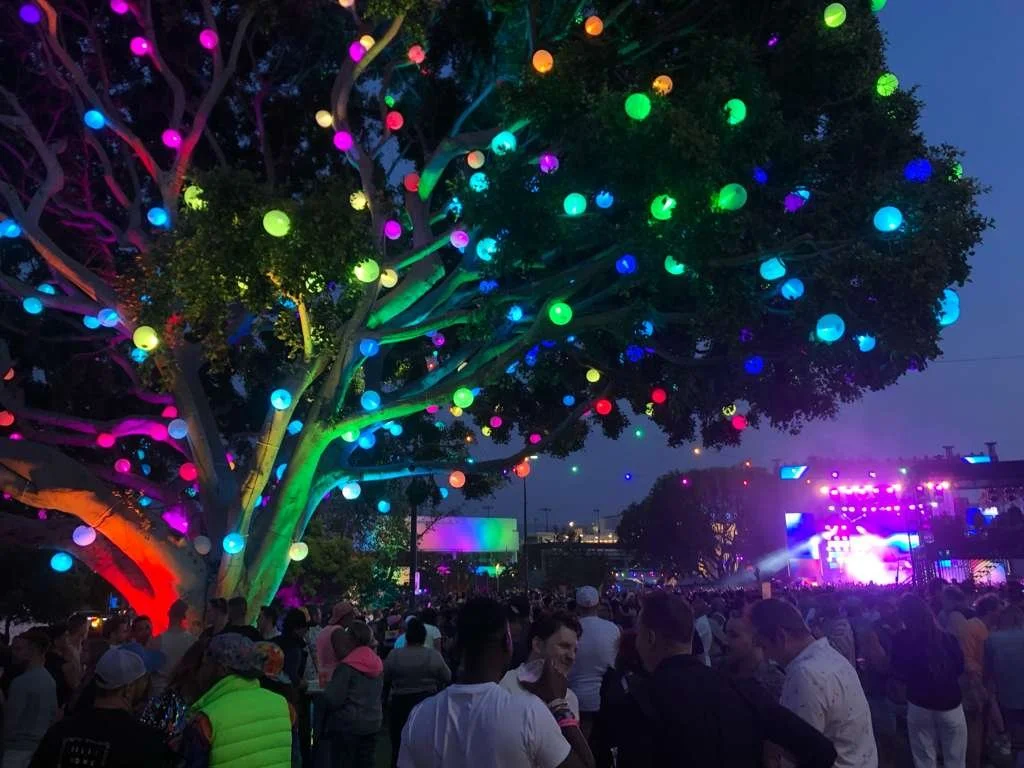
Over the years, what “Pride” meant, and who it was for, has changed significantly.
The first true Pride was in Manhattan in 1970 to commemorate the one year anniversary of the Stonewall riots, and was called the “Gay Pride Liberation March.”
Pride festivals and marches began popping up in cities all around the world as the 1970’s progressed, and became even more relevant as the AIDS crisis (and subsequent homophobia) took over in the 1980’s. As the decade progressed, Pride festivals took on a clearer purpose: to push back against administrations (both Presidential and Food-And-Drug) that didn’t take the crisis seriously until thousands had died.
As such, Pride went from being a celebration of visibility to advocacy and direct action in the face of death. Larry Kramer’s founding of the AIDS Coalition to Unleash Power (ACT UP) in the late 80’s contributed greatly to Pride’s evolution into something revolutionary; marchers would drop to the ground and pretend to die, so as to visually demonstrate the enormous death toll of HIV/AIDS.
LGBTQ+ people found themselves at risk of dying from a plague scientists knew little about, governments laughed off, and families ostracized them for. As such, they had to rely on each other to get by: to take care of one another financially, to visit each other in the hospital, and to bury one another. Queer people had no choice but to form new families: “chosen families.”
Up until this point, homosexuality was an act, or characterized as a disorder. But if a group of individuals make up a concrete community, then, by definition, there needs to be a fixed trait that binds them all together. An identity.
As such, as a direct result of the AIDS crisis, queerness evolved into an identity throughout the 80’s and 90’s, with “Pride” - both the concept and the event - at its core.
Pride’s Expansion:
As more LGBTQ+ Americans came out in the 90’s, increased visibility in both the public and private sphere led to increased awareness of LGBTQ+ issues, and a decrease in discrimination. Queer people brought their heterosexual, cisgender friends and families to Pride Festivals. President Bill Clinton signed a proclamation recognizing June as “Pride Month” in 1999. Select corporations such as American Airlines saw the financial benefits of donning gay apparel for Pride month, contributing money and resources to Pride festivals around the globe, upgrading them exponentially.
By the time states began legalizing same-sex marriage in the 2000’s, Pride had exploded into an all-out, zeitgeist-capturing phenomenon, with millions going to local pride festivals each year, major corporations sponsoring pride parties and floats (leading to terms like “rainbow capitalism” entering LGBTQ+ discourse), and A-list pop stars performing for Queer and allied audiences alike at Pride festivals around the world.
Pride Today: My Experience at WeHo Pride
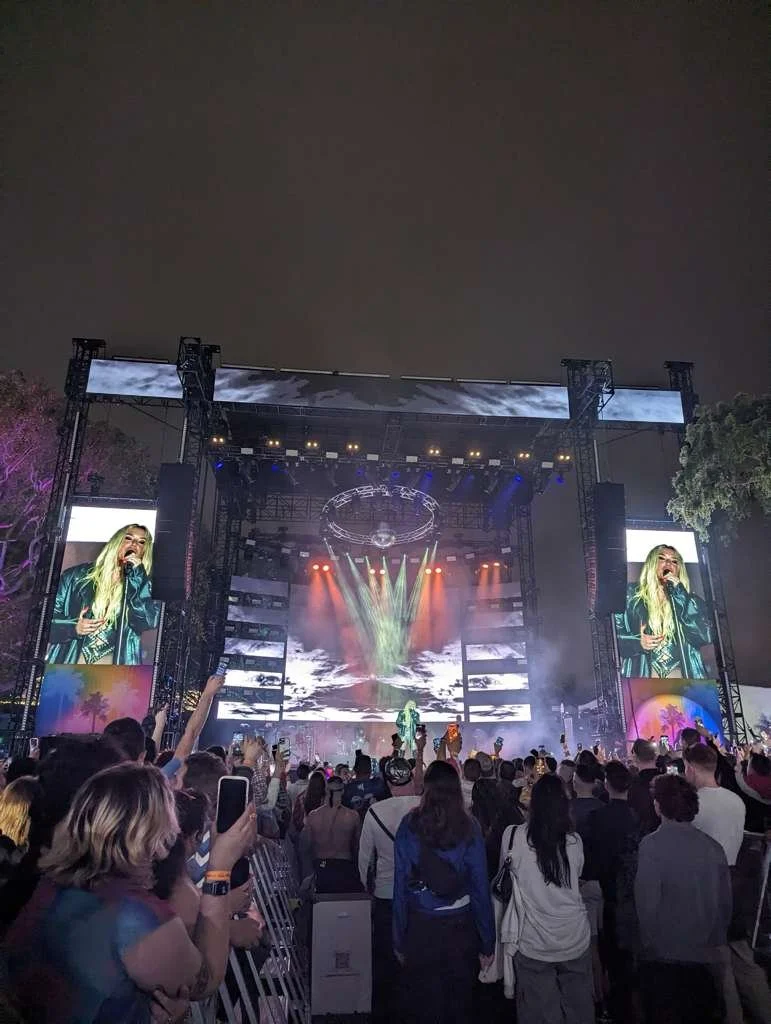
Photo by Tori Kostic
When I went to OUTLOUD West Hollywood Pride 2 years ago, I was struck by the sheer size of the thing - not just a one day fair or float, but a 3 day music festival jam-packed with artists such as Kesha, Kylie Minogue, Trixie Mattel, and Janelle Monaé performing for over 50,000 attendees.
Even though I myself have been “out and proud” for years, I still hadn’t ever been to a pride festival before then. I’d never been around so many other LGBTQ people in my life.
Kesha cried while performing her song “Praying,” announcing that it was her first performance since completing her album deal, breaking free from the interpersonal and legal battles of sexual assault which bound her to said label. Janelle Monaé danced as only she can while performing “Django Jane,” singing “They been tryin' hard just to make us all vanish / I suggest they put a flag on a whole another planet.” While Ashnikko performed a song about reclaiming one’s bodily autonomy, I watched the tears stream down the face of a girl next to me. Drag queen Trixie Mattel sweat through her wig while DJing in the scorching LA heat, laughing it off.
The very concept of “freedom” was both the festival’s form and its function, a unifying ethos of queerness if there ever was one.
Over the course of 3 magical days, I danced, sang, and reveled in the beauty of Queer joy, knowing I wasn’t alone. I made friends with strangers who I knew I’d never see again, each of us screaming “ISN’T THIS AWESOME??” at each other over the thumping bass.
Is Pride Still Revolutionary?
If there’s one thing that being Queer has taught me, it’s that the personal is political.
When LGBTQ+ discrimination policies get rolled back and gender-affirming care gets banned across the nation, then your mere existence becomes political. And if your existence is political, then your existence - your rights AND your joy - must be defended. When government officials try to outlaw your right to exist freely, it becomes an act of defiance to dance, to drink, to kiss a stranger, to have fun.
Much ink has been spilled over the years on the supposed “degradation” of Pride, from a riot to a festival. “If the personal is political,” many LGBTQ+ people wonder, “How can Pride maintain its countercultural roots and remain a celebration of who we are, while also evolving into gigantic operations that can only exist off of corporate money?”
I’ll admit that there are no easy answers to such questions. I also wholeheartedly agree that attendance of a Pride festival is not enough to be considered true activist organizing a la Larry Kramer. But I would argue that when resisting patriarchal, homophobic power structures, engaging in communal acts of joy is important.
Movements require stamina. In order to be built for the long haul, we as Queer people must also remember that fun and rest are as crucial as the fight itself. After all, the word “riot” has two meanings: chaos (a chaotic uproar, or an outburst of rowdy feelings), and something fun, amusing, or entertaining (i.e. “having a riot” or a “laugh-riot”).
To riot is to be resilient, to be free. Even in the 2020’s, Pride is a riot.